Posts

Word for Word: Episode 53

יֹ֥ום הַשִּׁשִּֽׁי The sixth day The sixth day was for the "world" of mankind. The animals were there as companions and the plants were for food. The deep waters of the sea were a mystery left for modern explorers to uncover. The word שִּׁשִּֽׁי ( shishshiy sixth) comes from the cardinal number שֵׁשׁ ( shesh six), which in turn comes from the verb שׂוּשׂ ( süs ) which means "to rejoice". It seems that since the hand has five fingers, one of the most primitive numbers indicated abundance. This aligns with the message of the last creation day. The words new to the reader follow: [ behemah ] בְּהֵמָה , livestock, cattle. [ adam ] אָדָ֛ם , man, mankind, Adam [ tselem ] צֶלֶם , image, likeness [ dem·üth ] דְּמוּת , likeness, similitude; from דָּמָה , to be like, similar [ zä·kär ] זָכָר , male; from the verb זָכַר (zä·kar), to remember [ nĕqebah ] נְקֵבָה , female; from נָקַב ( naqab ), to designate, appoint [ kabash ...

In One Sitting: Hosea

Recently I decided to do something special- read certain books of the Bible "In One Sitting" and write blogposts about them, sharing what someone can glean when they take a book of the Bible as a whole, rather than segmented like we normally do. Modern chapters, verses and headings are meant to act as reference aids, but we use them as artificial dividers in the text, where they often don't belong. This wasn't a concept that was brand new to me, but in order to read some books with the focus and dedication they need, I needed to set aside a special and concentrated time to read and meditate. This past weekend I did the Book of Hosea- which took me a little less than an hour to read in one sitting. Here are my thoughts on the book, after reading it all at once- no interruption. Comment below your own thoughts- I would encourage you to do for the Book of Hosea, or even another book- we may feature your thoughts by allowing you to guest blog. See what God will do. You ...

Word for Word: Episode 52

וְהִנֵּה־טֹ֖וב מְאֹ֑ד And behold--Very good Having surveyed everything on earth, the Creator was satisfied with the work He had done. The inspired penman emphatically ( הִנֵּה hinneh "behold") states that things went extremely well ( מְאֹ֑ד m@`od "exceedingly" + טֹ֖וב towb "good"). The word הִנֵּה (behold) first appeared in verse 29. It is from the root  הֵן ( hen ) which appears in combination with prepositions or the article as the third person plural "they, those". Different vowel sounds changes hennah to hinneh, that is, from "those" to "those!". Much has been written about "very good", but the word translated "very" ( מְאֹ֑ד) has its roots in the word אוּד (' ood ), a rake or poker for maximizing the heat of embers. With this in mind, m'a°d  (my attempt at transliteration) runs the gambit of meanings, from "very" (137×) to "mightily" (2×). The idea carries with it s...

Word for Word: Episode 51

לָכֶ֥ם יִֽהְיֶ֖ה לְאָכְלָֽה To you it shall be for food As the description of the sixth day concludes, God's providence is in the forefront. The word אָכְלָה ( ok·lä') is the general word for food. It from the word אָכַל ( ä·kal) which means "to eat, devour, burn up, feed". The work is the third day is shown to be essential for the survival of the animate creatures of the fifth and sixth days. There were three classes of plants: the sprouts, the seed bearers and the fruit trees. The latter two are designated for humanity, while the first is for the the animals. In common terms, this can be understood as seeds (grain, nuts and berries) and fruits (including vegetables) were for people, while grass and greens were for animals.

Word for Word: Episode 50

זָכָ֥ר וּנְקֵבָ֖ה בָּרָ֥א אֹתָֽם He created them male and female It is hard to escape the biological truth reiterated in this verse. Mankind originates in the center of a man. The idea of the seed crosses all forms of life. The male (Heb. זָכָר zakar) is the sower of the seed. The adjective/noun is from זָכַר, to remember, bring to mind. Generally, it is the male of a species that is dominant. Conversely, the female ( נְקֵבָה nĕqebah) is the fertile receptor of the seed. The knowledge of the role of the egg was unknown in ancient times, though infertility was a great concern. The word nĕqebah is from the verb נָקַב (nakab) which means " to pierce, perforate, bore" and by extension, "to appoint". This is purely an agricultural term, as thoroughly appropriate with animals as it is with plants. The fact that the sexual differences were "created" means that these differences are essential to life. The mere "making" of organi...

Word for Word: Episode 49

אָדָ֛ם בְּצַלְמֵ֖נוּ Mankind in Our Image The apex of creation was mankind ( אָדָ֛ם adam ). So far creation has been filled with with phenomena, objects, and living things. Though it all demonstrated the majesty and creativity of God, the earth was had no one who could understand it. This required a special feature that could show the mind of God. He called it His "image" ( צֶלֶם tselem ). "Adam" comes from the verb אָדַם which means "to be or make red". The word for "ground" also comes from this root. The color red represents blood that is essential for life. As seen earlier, life had been given to animals of the sea, air and land. The blood flowing in the veins of mankind represented more than mortality. It represented the life that is in God as an attribute. Mankind had life at the pleasure of God Himself, as will be seen in Gen. 2. The inherent life in God, imparted to mankind, made it resemble the creator in a special way--the image ...

How to Store up Treasure in Heaven

Image
You’ve probably heard the saying that we should “store up treasures in Heaven” instead of focusing on earthly possessions. This phrase is used by Jesus numerous times and once by Paul, but is first and most famously used in the Sermon on the Mount: “Do not lay up [treasure] for yourselves treasures on earth, where moth and rust destroy and where thieves break in and steal, but lay up for yourselves treasures in Heaven, where neither moth nor rust destroys and where thieves do not break in and steal. For where your treasure is, there your heart will be also.”- Matt 6:19-21 ESV The question then becomes, “How do I seek treasure in Heaven?”. There is great news. We do not have to speculate or even infer wisdom from the Bible indirectly. Did you know the Bible tells us directly how to store treasure in Heaven? Let’s take a look directly at how we “lay up treasure in Heaven”. Paul’s Instruction  So how do we acquire this treasure that Jesus referred to? Well Paul gives us an...

Word for Word: Episode 48

יֹ֥ום חֲמִישִֽׁי Fifth Day After providing everything needed to sustain it, God created living (moving) things. This is a turning point it creation. By adding sentience and movement, the Creator shared more of His character to the universe. Animals can consciously form relationships with others of their kind and form beneficial bonds with other species as well. The account of the fifth day introduced the following words: [sharats] v. שָׁרַץ to swarm, to bring forth abundantly; to creep, crawl. n. [sherets] שֶׁרֶץ : swarmers, creepers; a swarm [nephesh] נֶפֶשׁ soul, life, person [ chay] חַי living, alive; from חָיָה, to live. [ `owph] n. עוֹף a flying thing [ `uwph] v. עוּף to fly [ tanniyn] תַּנִּין dragon, serpent, whale, "sea monster" [ ramas] רָמַשׂ  creep, move lightly, move about [ kanaph ] כָּנָף  wing, extremity, edge [ rabah ] רָבָה to be great, many, much or numerous [ chamiyshiy] חֲמִישִׁי adj. fifth, from חָמֵשׁ (chamesh) five

Word for Word: Episode 47

פְּר֣וּ וּרְב֗וּ וּמִלְא֤וּ Be fruitful, multiply, and fill The filling of the new world with life from the Creator would be hard, but necessary work. Though it could have been accomplished in a moment, God set in motion a process. The gift of life had been given, but the command meant it was by volition that the paired animals would obey. It is a built in urge in living things to "procreate", but soon the creatures would have to choose. The first command is to be fruitful, פְּר֣וּ ( paru ) from פָּרָה (parah). On day three the fruit trees we're created bearing fruit ( פְּרִי, peri )  a derivative of this verb. The command to multiply is רְב֗וּ, rebu , the verb רָבָה ( rabah , to become great, many, much or numerous). Each of these translations reflect the root meaning of increasing. The verb would become the honorary title of Rabbi, that is to say "great one". Finally, the animals are told to "fill" their realm with descendants. The verb here i...

Life Lessons from David and Bathsheba

If you have ever been in church, than you have probably heard the infamous account of “David and Bathsheba”, that is, the adultery of David and Bathsheba and David’s eventual murder of her husband. Clearly this event in David’s life is warning against adultery and its grave consequences. It is a clear example of how even David, the “man after God’s own heart” traumatically fell into sin. All of these things are true, but what does this episode really mean for my life? What life lessons can I learn from David and Bathsheba. In this blog series we are going to take a deep dive into the affair between David and Bathsheba and the real, relevant and practical life lessons we can learn from this. Idleness Leads to Temptation “[It happened] In the spring of the year, the time when kings go out to battle , David sent Joab, and his servants with him, and all Israel. And they ravaged the Ammonites and besieged Rabbah. But D avid remained at Jerusalem .”- 2 Sam 11:1 ESV  David had b...

A Narrative Shift

David had endured years of violence and uprising running from Saul as rightful King and now he would experience it again- this time everything he had spent his life building would be at stake. After Nathan delivers God’s indictment of his double-sin: murder and adultery, there is a complete change in the narrative of the Book(s) of Samuel ( 1 and 2 Samuel should be understood as one book). Up until this point, Samuel focuses on David’s rise to power. After this, everything in the main narrative goes down hill. In the same way, after we sin the natural results of the sin or God’s justice may dramatically alter the course of our lives in a negative way. David was acquitted of the punishment he legally deserved: death; however, David still experienced God’s wrath in the law of retribution. “An eye for an eye, a tooth for a tooth” (Exo 21:24) or for David- sexual relations with another’s wife will happen to him and violence he committed against Uriah will happen within his own family....

God, Create a Clean Heart In Me

“David said… ‘I have sinned against Yahweh.’ And Nathan said to David, ‘Yahweh also has put away your sin, you shall not die.’” In the midst of David ’s verbal confession before the prophet Nathan , David wrote (or said) a prayer- now known as Psalm 51. It is important to remember that biblical prose is not journalistic in nature, but it is storytelling. The events are not fictional, but they are narrated and told “at a distance” from the raw, historical happenings. David’s confession may not have been at the same time that Nathan had confronted him. It seems, that David’s confession here is a representative statement of his prayer and Nathan’s response is God ’s response. David’s prayer is full of asking God to do things. David fully recognizes that in order to get the effects of cleanliness and restoration, God must be the cause. David asks God to create a clean heart in him. The Hebrew word for create here, bara is a verb that only has God as the cause (according to Dr. Michae...

The Confrontation

After Uriah’s death, Bathsheba mourned. After the mourning was over David took her as his wife, the right thing to do in the circumstances. But the thing that David had done displeased [Yahweh]. And And [Yahweh] sent Nathan to David”- 2 Sam 11:27b-12:1a Uriah was dead, Bathsheba was now his wife. For David, it was as if he not only avoided the consequences of his sin, he had made amends by marrying Bathsheba. God saw what he had done and was not pleased. As the King of Israel, David was responsible the governance of his kingdom; but was still under the leadership of God. Therefore, David had a personal prophet, Nathan, who communicated the revelation of God to him and interceded before him. One day Nathan came before David, having been sent by God. He presented him with a scenario: a rich man with large flocks stole one man’s only lamb. In those days, Kings would act as the chief judge over the country, hearing cases and ensuring fair justice. (2 Sam 12:1-4) When David heard this...

Word for Word: Episode 46

יְבָ֧רֶךְ אֹתָ֛ם אֱלֹהִ֖ים God blessed them With millions of sentient creatures scattered from the deepest sea to above the clouds, their creator assured their continuance by granting them what they collectively needed. The word בָּרַךְ is a root word which means "to kneel", as a subject to a ruler to request a favor. When used in the intensive form as here, it becomes the granting of that favor. That is to say, "to bless". When the self-sufficient Creator deems it proper to cause good things to happen to please his creatures, it shows a personal interest in the affairs of this world. In blessing the lives of even the wiggling sea urchins, God demonstrates his benevolent providence. He is always there, doing the right thing.

The Desperate Cover Up

"So David sent word to Joab, 'Send me Uriah the Hittite.'"- 2 Sam 11:6 ESV So begins David’s attempt to hide his sin. He had sent Bathsheba home from his bedroom, as if nothing had been done wrong. Within a short time, David heard word that Bathsheba was pregnant. Sooner or later, David would have to deal with the consequences of his actions. In response to Bathsheba’s pregnancy and “evidence” of David’s sin, he sought to deal with it the natural way- bring Uriah home to his wife. When Uriah came home from the frontlines, David gave him a warm welcome- completing hiding any ulterior motive. After a pleasant and hospitable evening, David sent Uriah on his way home with a gift to encourage his return to his wife. To David’s dismay, Uriah did not return home that night. When David heard this he was shocked- he would have to move from a simple to an elaborate cover up if Uriah did not go home to his wife. “Uriah said to David, ‘The Ark and Israel and Judah dwell in...

The Anatomy of David's Affair

“But each person is tempted when he is lured and enticed by his own desire. Then desire when it has conceived gives birth to sin…” (James 1:14-15a ESV) “And David sent and inquired about the woman. And one said ‘Is not this Bathsheba, the daughter of Eliam, the wife of Uriah the Hittite?’- (2 Sam 11:3)  The moment David saw the beautiful Bathsheba and chose to desire her, he (as in the words of Jesus) “had already committed adultery with her in his heart” (Matt 5:28). David had already sinned. He had the option to repent of it right there, confess it to God and to turn away (perhaps literally) from his sin. The woman David had seen piqued his interest, so he sent some people to go find out about her. They told David she was Uriah the Hittite’s wife. Uriah the Hittite was no stranger to David, in fact Uriah was one of the top thirty men in all of David’s army (1 Chr 11:41)! The identification of Bathsheba as Uriah’s wife wasn’t something that David could just brush off. David ...

Idleness Leads to Temptation

Image
“[It happened] In the spring of the year, the time when kings go out to battle , David sent Joab, and his servants with him, and all Israel. And they ravaged the Ammonites and besieged Rabbah. But David remained at Jerusalem .”- 2 Sam 11:1 ESV (emphasis added)  These are the opening lines of the account of David’s adultery. It was spring, the war season. In ancient times, armies would primarily fight during spring weather. Armies were not equipped to fight during the cold months of winter. Even if a war was ongoing, opposing sides would often cease battle for the season until the weather was right again. Then they would resume in the spring. One possible reason armies fought in warm weather was that crops were plentiful, giving easily accessible food to passing soldiers. In those times, Kings were also generals. They led their army on the front lines of the battle. They planned military strategy, negotiated with the enemy and boosted the morale of the troops. Under normal cir...

Word for Word: Episode 45

הָֽרֹמֶ֡שֶׂת The movers On the other side of the spectrum of sea creatures were the myriad of smaller animals--living beings that self propelled through the water, the liquid medium that makes life possible. There are so many different sea animals that we may never know how many there are or may have been. They live in the deepest part of the waters that have been explored so far. They also live in drops of water so small that the air can transfer them to bodies of water far inland. (see  https://massivesci.com/articles/sea-spray-microbiome /) Aside from the placement of the stars, the filling the ocean was the most extensive act of original creation. And so far as we know, this collection of living things far exceeds the stars in variety.

Word for Word: Episode 44

וְעֹוף֙ יְעֹופֵ֣ף עַל־הָאָ֔רֶץ Flyers flying over the earth As with the swarm, the flock of "birds" is a large general category. The verb form, עוּף ( `uwf ), is used to designate flying. The root further points to the most common flyer, the birds, due to their using their wings to wrap, or cover, their young. The noun form is עוֹף (`owf), with the pointing of the vowel different. עַל־פְּנֵ֖י רְקִ֥יעַ הַשָּׁמָֽיִם The face of the firmament There has been much discussion on the nature of the firmament and its relationship with the heavens. As we saw on the second day, the firmament is called "heaven". However, many translate this simply as the air. This seems to be the sense of the birds. But what is the surface of the sky? Where does the air begin? These concepts are defined by the observer. The air that every living thing on earth and in the sky breathes begins at the surface of the earth. However, the surface of the heavens is to be viewed from below. ...

Word for Word: Episode 43

הַתַּנִּינִ֖ם הַגְּדֹלִ֑ים The great whales The verb bara , to create, is used a second time when animal life is bestowed upon creatures of the sea and air. The first mentioned is the תַּנִּין, tanniyn, an nonspecific designation for a fearsome creature sometimes called a "dragon". The creatures is said to be quite large. Their size alone would have demanded respect from all other animals in the sea. The contrast between the "monsters" and the "minnows", so to speak, is another merism. The act of creating was universal in scope. Twice in this verse the Hebrew word כָּל, kal, is used. Be they in the water or the air, every animal was especially designed for its niche in God's world.

Word for Word: Episode 42

יִשְׁרְצ֣וּ הַמַּ֔יִם שֶׁ֖רֶץ נֶ֣פֶשׁ חַיָּ֑ה W aters, swarm with living swarms The fifth day God continues to define His creation by its continuing testimony. First, the sprouts sprouted; then the lights lit. And as animal life (Hebrew: נֶ֣פֶשׁ חַיָּ֑ה -- nephesh khavah ) was created, the lower forms of aquatic life (Hebrew: שֶׁ֖רֶץ sherets, swarming or creeping things) began to swarm, or teem ( שָׁרַץ   sharats ) in the water. There was no need to give a lot of detail. God created things in general categories that any observer could relate to. If it moved about in large groups, it was a "swarm". It is notable that the "soulish life" is first mentioned in the lowest creatures. This kind of life is reserved for the "animal kingdom" from plankton to pachyderm, and beyond. What came first in the water, and would continue into the air.

Word for Word: Episode 41

יֹ֥ום רְבִיעִֽי The fourth day A lot happened on the fourth day. The word רְבִיעִֽי ( rebiy`iy fourth) is is a form of אַרְבַּע ( arba` four). Both words are derived from רָבַע (raba` to lie stretched out). The usage of the derivatives may indicate that the verb is descriptive of four limbs stretched out. וַיִּתֵּ֥ן אֹתָ֛ם And He set them In the study of this day, the centrality of the earth is evident. In a special way (Hebrew:  נָתַן nathan , to give) the vast heavens were "populated" especially for the benefit of the planet made for mankind. The words introduced in these six verses were: [m a'or ] מָאוֹר luminary, lamp ['oth] אוֹת sign, signal [mo`ad] מוֹעֵד appointed place or time [shanah] שָׁנָה year [galod] גָּדוֹל great, large [qatan] קָטָן insignificant, small [memshalah] מֶמְשָׁלָה rule, realm [kolab] כּוֹכָב star [nathan] נָתַן to give, set, put [rabiy`iy] רְבִיעִי fourth, from רָבַע (raba` lie stretched out)

My Time at Central States SBL- Part 2: Research Highlights

Check out Part 1- Key Takeaways . I spent the past weekend at the Society of Biblical Literature, Central States meeting, hosted at Eden Theological Seminary. Here I got to listen to new research papers by various Professors, Graduate Students and other Bible Scholars. Papers presented here were all in the writing stage, so they were not at the peer-review or public stage. Alongside paper reading there was direct dialogue surrounding the research papers that were read. There was many papers that were presented at the conference. I spent most of my time in the Old Testament session, but was also present for several New Testament papers. Both sessions were going on at the same time so there were many sessions I did not get to observe. Research Highlights (Note I do not necessarily endorse the research below, these are just the papers that stuck out to me)  The Lost World of the Israelite Conquest The renowned John Walton was there and was the keynote speaker. In his presentation...

My Time at Central States SBL- Part 1: Key Takeaways

This past weekend I attended and volunteered at the Society of Biblical Literature Central States Meeting - an academic meeting of Bible scholars in the Central US to present and dialogue about their research. I volunteered for my New Testament professor and advisor who coordinates the meeting. Essentially, professors and graduate students read their in-progress research papers. Then other scholars participate in Q&A about the research which helps the researcher improve their paper before publication. Additionally there were several meals and a keynote speech that gave more opportunity for scholars to discuss and fellowship. I mostly observed, but it was very interesting to hear some of the dialogue going on. I will note the conference was not just for Evangelical Christians. The meeting was open to all bible scholars part of the Society of Biblical Literature. This means there was a diversity of people there- from Charismatics, Methodists, Lutherans and Baptists to Liberals, Athe...

Word for Word: Episode 40

וְאֵ֖ת הַכֹּוכָבִֽים And the stars Though the moon was a "lesser" light, even in its smallest manifestion it greatly outshined the stars ( כּוֹכָב kocab ). The word probably is derived from the verb כָּוָה (kavah , to burn, but originally to to prick or penetrate), though it may be related to כַּבּוֹן, kabon, from an unused root meaning to heap up. Though these points of light meant very little by themselves, their relative positions formed patterns in the sky, which made navigation at night possible. Certain patterns followed the apparent path of the moon and marked the seasons much like the moon marked the months.

Word for Word: Episode 39

הַמָּאֹ֤ור הַקָּטֹן֙ לְמֶמְשֶׁ֣לֶת הַלַּ֔יְלָה The Lesser Light to rule the night Though the moon is a lesser (Hebrew: קָטָן qatan ; small, insignificant) light even when full, it has a significant role in its own domain.  Regardless of its phase, the daily influence of the moon bends the surface of the earth, especially the less dense seas. The gentle pull of its gravity  offers assurance that God is still in control of the darkened world.

Word for Word: Episode 38

הַמָּאֹ֤ור הַגָּדֹל֙ לְמֶמְשֶׁ֣לֶת הַיֹּ֔ום The Great Light to rule the day Though God did not name the lights, He designated a dominion in which each would be prominent. The light in the sky that defined the day would be much more magnificent than its partner of the night. In fact, the sun is over 400 thousand times brighter than its reflection off a full moon. It is no wonder,then, that the sun is the ruler (Hebrew: מֶמְשָׁלָה memshalah ; realm) of the day. The night is a subject kingdom, far less than anything in the daylight.

Word for Word: Episode 37

שְׁנֵ֥י הַמְּאֹרֹ֖ת הַגְּדֹלִ֑ים Two Great Lights Though light was revealed on day one of creation, it was not until the fourth day that "lights" ( מְּאֹרֹ֖ת moroth ) were placed, or appointed, to light the earth. Though translated the same, the word here is to אוֹר a candle or mirror is to the flame that lights the room. A lamp does no good unless it is lit. The lights are great (Hebrew: גָּדוֹל gadôl; large), that is a lot bigger and brighter than anything else in the sky, and would be a major influence to the people, plants and creatures of the planet. It is significant that these lights are not named. God had no intention of honoring the tools he used in maintaining his creation. In His law He would condemn the worship of any created thing.

Only God Can Remove Some "Demons": A Study on Mark 9:14-29

Image
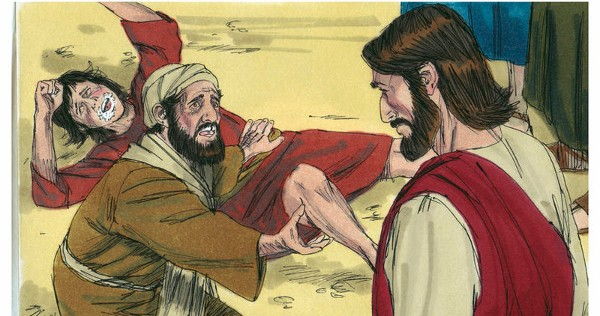
Sometimes in life, there are just some things that we can’t seem to overcome. There are many problems that, no matter how hard we try, are unsolvable.God gives all believers the power to encounter everyday life and to do his work in it all. Oftentimes we cannot solve problems, because we confuse God’s power and our power in God. In the Gospel of Mark, there is an account of Jesus performing an exorcism on a child. While Jesus was traveling around Caesarea Philippi, he reveals to his Apostles that he is the Messiah and that he will die and rise again after three days. Escaping the gathering crowd, Jesus took Peter, James and John to a mountain. There he “transfigured” or revealed his full majestic form in communion with Elijah and Moses. While Jesus was on the mountain he left the other nine Apostles behind with the crowd. During this time, a man brought his demon-possessed son was brought to the Apostles, having heard of the miraculous healing powers these men possessed. The Apostles...

Word for Word: Episode 36

לְאֹתֹת֙ וּלְמֹ֣ועֲדִ֔ים וּלְיָמִ֖ים וְשָׁנִֽים Signs, seasons, days and years Having made the earth habitable, God made the heavens useful. Aside from distinguishing day from night, the "clock" became a calendar. The word "signs" is the Hebrew אוֹת (ōth). As with the translation, the word indicates a signal. Signs identify the true state of things. The lights in the sky are used to confirm the message of the creator. A season (מוֹעֵד mo`ed) is an appointed place or time. Affixing the prefix "m" to the root verb יָעַד ( yâʻad) forms the noun. By watching the sky regular meetings and activities can be scheduled. The orbs and points of light also make it possible to observe special days. These include the first day of the month and year (Heb: שָׁנָה, shaneh). The year is marked when the sky returns to its original appearance. The word שָׁנָה is taken from the verb form shanah, the same root for the number two. The place of the earth among the heavenly ...